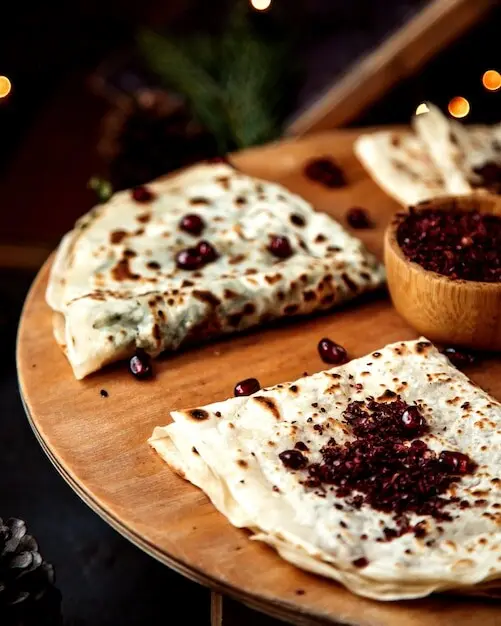
Golden Crusts, Honest Grains: Skillet Breads for Every Table

Today we are diving into whole-grain and gluten-free skillet bread recipes, celebrating quick stovetop methods that deliver tender crumbs and boldly blistered edges. Learn how simple tools, smart heat, and thoughtful ingredients create nourishing breads that invite sharing, weeknights, picnics, and spontaneous gatherings. Follow approachable steps, confident ratios, and flexible swaps that welcome curious beginners and seasoned cooks alike.

Cast-Iron Confidence: Tools, Heat, and Texture

Great skillet bread starts with steady heat and a surface that loves to sear without sticking. Discover why cast iron shines, how carbon steel compares, and how lids, trivets, and preheating routines protect moisture, encourage rise, and create those irresistible, golden, lacy edges every time. Build reliability with small, repeatable habits that fit any stove.

Grain Power: Flavor, Nutrition, and Structure

Whole grains bring fiber, minerals, and unforgettable character, yet they also absorb more water and can feel heavy if unmanaged. Explore balanced blends that keep texture light, from certified gluten-free oats to sorghum, buckwheat, and millet, alongside optional whole-wheat paths for mixed-diet households. Flavor and tenderness can coexist with planning.

Psyllium, Xanthan, and Friendly Fibers

A teaspoon or two of psyllium gel knits crumb and traps moisture, especially in high-hydration batters. Xanthan offers springy cohesion in tiny amounts. Ground flax thickens gently with a nutty note. Combine moderately, rest well, and avoid overdoing gums that can taste slick or rubbery. Balance keeps bites delightful.

The Moisture Equation

Gluten-free success favors batters that seem slightly looser than instinct suggests. Hydration activates starches, enabling lift without collapse. Aim for ribboning flow off the spoon, then fine-tune with a tablespoon of liquid or flour until the batter mounds, spreads slowly, and sets beautifully. Measured adjustments protect tenderness.

Gentle Mixing and Resting

Overmixing can deflate aeration and toughen crumb, even without gluten. Whisk dry ingredients fully, combine wet separately, fold just until streaks vanish, then pause. Resting improves water absorption, reduces grittiness, and readies the surface for decisive, confident pour into shimmering, properly preheated oil. Patience yields cleaner slices.

Oat and Buckwheat Herb Flatbread

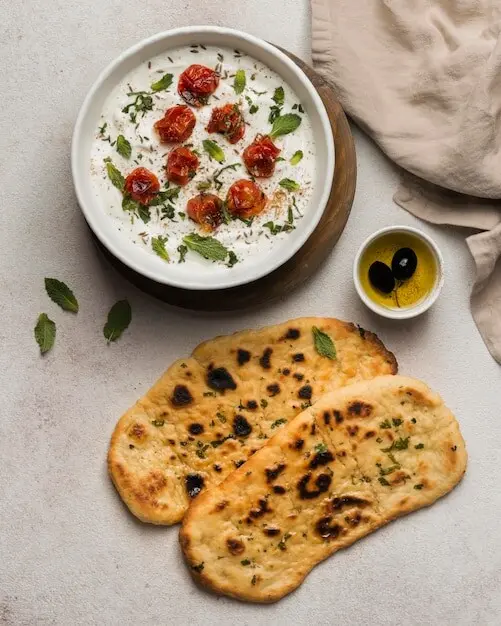
Whisk certified oat flour, buckwheat, baking powder, salt, warm water, and olive oil; rest briefly. Pour into a lightly oiled skillet, cover to steam, finish uncovered. Brush with garlic herb oil and lemon zest. Slice into wedges for soups, salads, eggs, and late-night snacking.

Sorghum Cornbread with Chili Honey

Blend sorghum flour, fine cornmeal, a touch of brown sugar, baking soda, yogurt, and eggs or flax gel. Preheat the skillet with butter, then sizzle batter into place. Bake covered briefly, uncover to crisp, drizzle chili honey, and serve with smoky beans or greens.

Stories from the Stove: Real Kitchens, Real Wins

Techniques come alive through lived moments. A string of small, savory victories turns uncertainty into ritual, teaching patience with heat, respect for grain, and compassion for dietary needs. These vignettes travel from urban stovetops to windy campsites, reminding us why warm bread unites people. Memory seasons every slice.

Troubleshooting: Lighter Crumbs, Better Browning, Happier Bites

Tiny adjustments carry big rewards. If slices crumble, build hydration and fiber binders before adding fats. When centers underbake, lower heat and extend covered time. For pale tops, finish briefly under a broiler or invert to kiss the pan again for seconds. Calm tweaks rescue dinners.

If It Crumbles

Crumbly slices often signal dry mixes or insufficient binders. Add a splash of liquid, whisk in a touch of psyllium or ground flax, and extend the rest. Let steam do work under a lid before crisping uncovered to reinforce structure without heaviness.

If It Burns Before Baking Through

Overzealous heat scorches bottoms while middles sulk raw. Drop the flame, preheat longer, and load batter slightly cooler. Use lids early, then finish uncovered. Consider smaller rounds or split batches, which bake faster, reduce risk, and maintain that treasured, balanced skillet character.

Gather Around: Share Your Skillet Magic

The joy grows when voices join. Tell us about triumphs, near-misses, and favorite grain blends, and subscribe for fresh ideas. Request conversions, dairy-free swaps, or pan alternatives. Your comments shape future experiments, inspire challenges, and keep warm, nourishing breads landing on real weeknight tables. Community elevates every crumb.
Pexivirozavoveltodavozera
Privacy Overview

This website uses cookies so that we can provide you with the best user experience possible. Cookie information is stored in your browser and performs functions such as recognising you when you return to our website and helping our team to understand which sections of the website you find most interesting and useful.