Golden Layers on a Griddle: The Allure of Gozleme

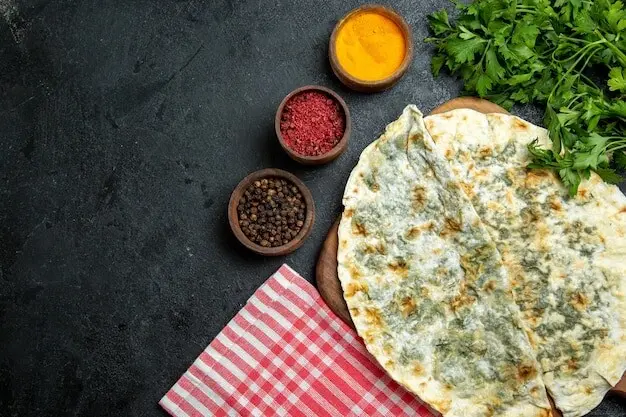
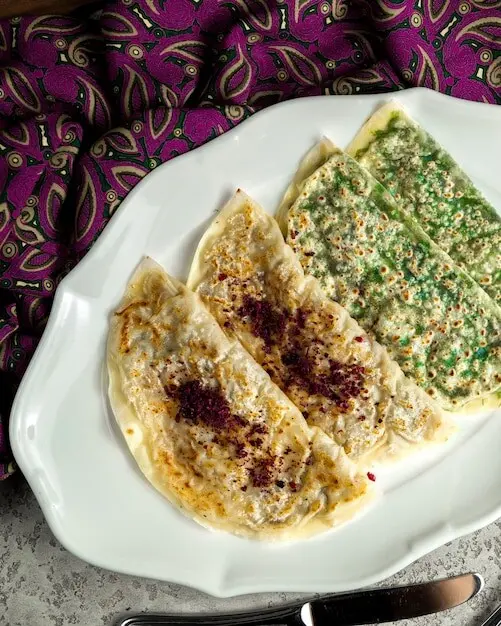
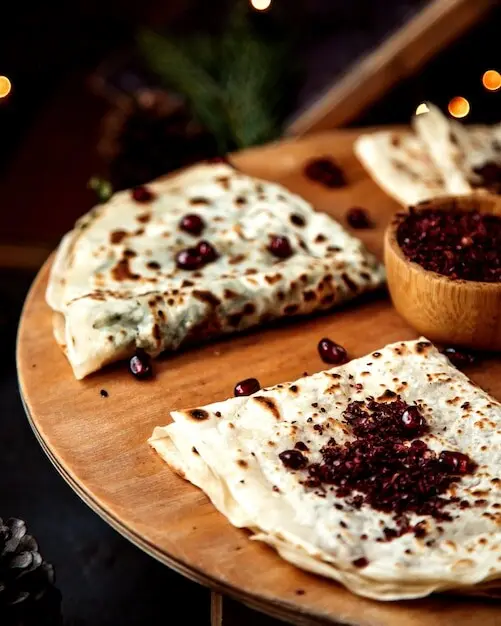
Today we dive into gozleme, the hand-rolled, paper-thin Turkish flatbread folded around vibrant fillings and cooked on a sizzling griddle until freckled, fragrant, and irresistibly crisp. Expect hands-on dough guidance, clever filling tips, market-side stories, and practical tricks that will help you bring café-quality results to your own skillet. Read along, ask questions, and share your favorite fillings—your voice and curiosity will shape the delicious journey we’re taking together.

Roots, Markets, and Living Heritage

Gozleme carries the warmth of Anatolian kitchens, where dough is rolled on low tables, stretched into translucent sheets, and sealed around greens, cheeses, or spiced meats. In bazaars, the scent of browning bread mingles with tea, laughter, and swift hands that turn simple ingredients into nourishing ritual. We’ll honor that living heritage with stories from roadside stands, humble village weddings, and seaside stalls, inviting you to feel the rhythm, generosity, and patience behind every blistered fold.

From Anatolian Villages to Bustling Bazaars

Picture a shaded stall where a broad steel sac glows gently, and rolled parcels puff as they kiss the heat. Travelers pause, locals nod, and a plate arrives, lemon wedge ready. That scene reflects generations of practice—sturdy flour, modest fillings, confident heat. Gozleme traveled this way, from courtyards to city markets, adapting to seasons and hands, always telling the same delicious story about thrift, craft, and nourishment shared in public, heart-first spaces.

The Women Behind the Griddle

So many unforgettable plates arrive via practiced hands, often belonging to women who learned by watching mothers and aunts stretch dough to translucency. They talk while working, fold with instinct, and judge heat by sound and scent. Their skill is communal memory, expressed through technique that looks effortless yet demands restraint and patience. Celebrating their craft reminds us that recipes are maps, but people are the terrain—alive, generous, constantly refining what feels right in the moment.
A Passport of Fillings

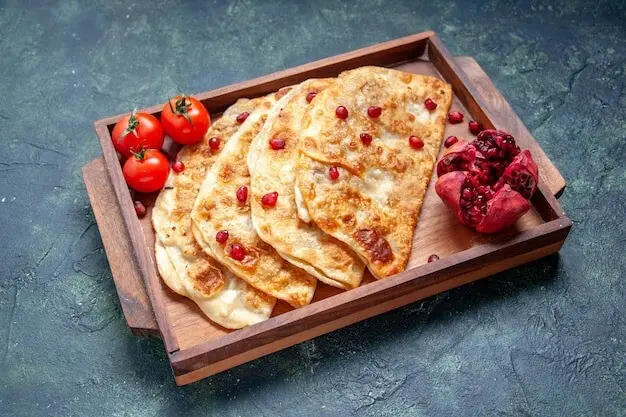
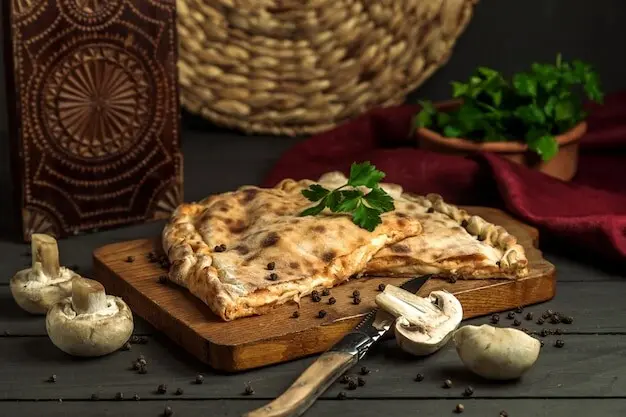
Spinach and brined cheese feel coastal and bright; potatoes suggest cool mountain evenings; minced lamb carries spice-laced comfort. In some regions, wild greens whisper of spring, while mushrooms hint at autumn forests. Each bundle offers a passport stamp, proof that landscape and larder shape flavor. Try layering textures—crumbly, silky, and tender—so every bite feels complete. Simple seasoning, precise moisture control, and thoughtful contrast turn familiar ingredients into something memory-tugging, proudly local, and wonderfully transportable.
Dough Fundamentals That Feel Like Magic

Gozleme dough is a study in restraint: flour, water, salt, and sometimes a whisper of oil. The magic lies in touch—how the dough softens after resting, how a smooth surface signals aligned gluten, how a rolling pin coaxes translucence. We’ll unpack hydration, protein levels, and resting rhythms so you can read the dough like a good friend. With patient practice, you’ll sense exactly when to dust, when to pause, and when to stretch boldly.

Greens and Cheese Harmony

Sauté spinach just until wilted, then squeeze it dry to protect crispness. Crumble brined cheese—feta or beyaz peynir—so it melts into pockets rather than pooling. Scatter chopped dill and parsley for freshness, finishing with a pinch of pul biber and a shy zesting of lemon. Salt carefully; the cheese often leads. Spread thin, edge to edge, allowing the dough to seal cleanly. This balance delivers brightness, minerality, and a creamy whisper without surrendering precious, fragile crunch.

Spiced Meat Without Soggy Crusts

Brown minced lamb or beef with finely chopped onion until fragrant, then drain fat thoroughly. Season with Aleppo pepper, cumin, and a hint of sumac to lift the richness. Cool completely before assembling so steam won’t loosen the dough. Scatter tiny bits rather than clumps; even coverage prevents greasy pockets. If using tomatoes, cook them down to a jammy concentrate. The result is savory depth with crisp edges, concentrating flavor while safeguarding that shattering, beautifully speckled exterior.

Vegetarian Heartiness That Satisfies

For a meatless option with gravitas, mash boiled potatoes with caramelized onions, black pepper, and a flicker of paprika. Or sauté mushrooms until deeply browned, finishing with parsley and garlic. Consider crumbled, well-drained ricotta for cream, or lightly charred peppers for smokiness. Cool mixtures thoroughly, then season assertively—subtlety disappears on the griddle. Keep moisture in check using quick reductions or brief tosses over heat. The payoff is fullness, clarity, and structure in every clean, crisp bite.

Griddle Mastery: Heat, Timing, and Touch

Preheat your skillet or steel sac until a light dusting of flour turns golden within seconds, not instantly dark. Brush with a whisper of oil, then slide the folded parcel onto the heat. Let the first side set before flipping, encouraging tiny steam pockets that puff rather than burst. Adjust heat as needed, aiming for spotted browning and a faintly brittle surface. Gentle presses seal edges; quick rotations distribute heat. Master these cues, and blistered perfection follows.

Heat Zones and Timing

A cast-iron skillet holds steady heat, while thin steel responds quickly; both can work brilliantly. Establish a medium-high zone and a slightly cooler edge for rescue moves. Test readiness with a pinch of flour or a water droplet’s dance. Cook the first side until pale gold freckles appear, then flip decisively. Keep breath and motions calm; panic invites scorching. With practice, your ears will guide you—soft crackles mean progress, harsh sizzle warns that adjustments are needed immediately.

Flip with Confidence

Use a wide spatula and your fingertips, supporting the parcel like a delicate book. Flip in one smooth motion to protect seams. If bubbles balloon aggressively, tap them gently to redistribute steam. Rotate the bread between flips for evenly scattered char. Should a tear appear, patch with a tiny dough scrap and continue. Think like a conductor—coaxing, never forcing—so the crust stays thin and lively, while the filling warms through without oozing into unwanted soggy surprises.

Finishing Touches

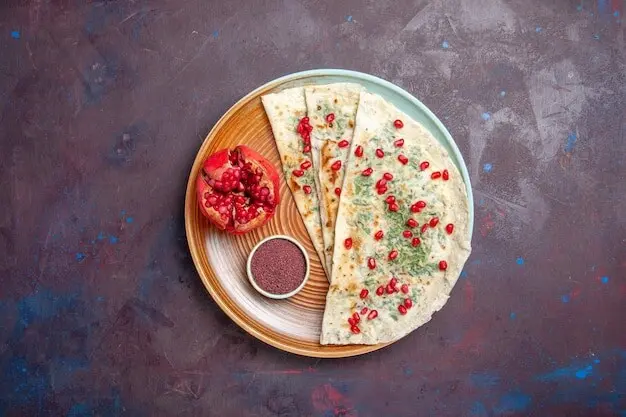
Right off the heat, brush with melted butter or good olive oil for gloss and tenderness, then rain over nigella seeds or crushed sumac for aromatic lift. Rest briefly on a rack to protect crispness, not on a plate that traps steam. Slice into generous wedges, add lemon for brightness, and serve immediately. These tiny gestures—timing, resting, seasoning—turn home cooking into market magic, the kind that makes friends linger and ask questions as crumbs happily scatter.

Serving Rituals, Pairings, and Gatherings

Gozleme thrives in company. It pairs beautifully with strong black tea, cooling ayran, or sparkling water with lemon. Add a crisp salad, olives, and cucumbers for contrast. I remember a seaside café where wedges disappeared faster than conversation could keep up, each plate an invitation to pause together. Recreate that feeling at home: warm platters, simple sides, and a question or two passed around the table. Share your stories with us—rituals taste better when traded generously.

From Breakfast to Midnight Cravings

A warm parcel works for a sunrise start with eggs and herbs, or as an afternoon anchor beside tea and a light salad. Late at night, leftovers re-crisp in minutes, the kitchen lit softly while the world quiets. Because fillings vary, you can tailor energy and comfort to the moment—bright greens for focus, heartier options for long days. Keep lemons within reach and napkins stacked high. Spontaneity is welcome, especially when the griddle is still warm.
Sauces, Sides, and Sips

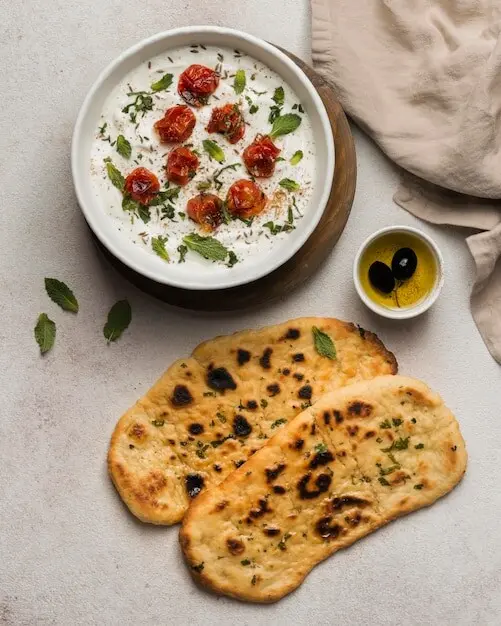
Lean on restraint: brined cheese and herbs rarely need much sauce. Still, a spoon of cool cacik, a scoop of ezme, or crunchy pickles can accent richness. Sip hot tea to cut through butteriness, or pour frothy ayran to refresh and reset your palate. A crisp, lemony salad brightens everything without overshadowing delicate char. Build your spread with texture in mind—something creamy, something punchy, something crisp. Then invite feedback, because great pairings grow from curious, honest conversation.
Sharing at the Table

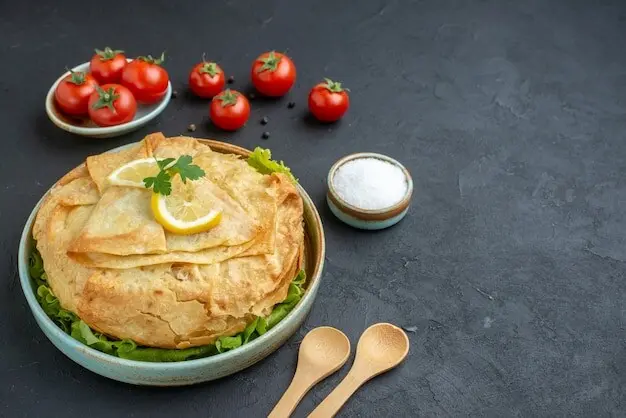
Make gozleme the center of a relaxed gathering. Assign roles—rolling, filling, cooking—so everyone becomes part of the ritual, laughter included. Stack finished breads in a warm cloth-lined basket, then serve family-style with wedges of lemon and bowls of herbs. Ask guests to name their favorite filling combinations and why. Capture their tips, post them back to our community, and spark a cycle of shared ideas. The table becomes a classroom, and dinner turns into collective discovery.

Planning Ahead, Storing, and Smart Variations

Prep Like a Pro

Scale dough portions for uniform results—small balls about the size of a plum roll easily and cook evenly. Cover every stage with a barely damp cloth to prevent crusting. Keep fillings chilled and dry, measuring salt mindfully to respect brined cheeses. Set a logical workspace: rolling surface, filling zone, sealing area, hot griddle. Label containers, note timing, and trust simple checklists. Streamlined steps remove stress, building a calm rhythm where attention flows toward finesse rather than firefighting.

Freezer Wisdom for Busy Weeks

Par-cook each folded bread until just set and lightly pale, cool on racks, then stack between parchment in airtight bags. Freeze flat to preserve shape. Reheat from frozen on a medium-hot skillet, flipping until fully warmed and crisp. Avoid microwaves, which soften the fragile crust. For lunch boxes, thaw overnight in the fridge and finish at work on a hot plate or toaster-style device. A tidy freezer stack transforms hectic days into guaranteed, golden, skillful comfort within minutes.

Creative Twists That Still Respect Tradition

Add seasonal touches that feel honest: wild greens in spring, roasted squash in autumn, or a scatter of herbs from your window box. Swap beyaz peynir for a local brined cheese you love. Introduce gentle heat with pul biber oil or a lemon-sumac brush. Keep the dough thin, the fillings modest, and the cook fast. Innovation lives best inside thoughtful boundaries, where character remains unmistakable. Share your favorite variations—your voice keeps this delicious conversation growing, bright, and welcoming.
Pexivirozavoveltodavozera
Privacy Overview

This website uses cookies so that we can provide you with the best user experience possible. Cookie information is stored in your browser and performs functions such as recognising you when you return to our website and helping our team to understand which sections of the website you find most interesting and useful.