

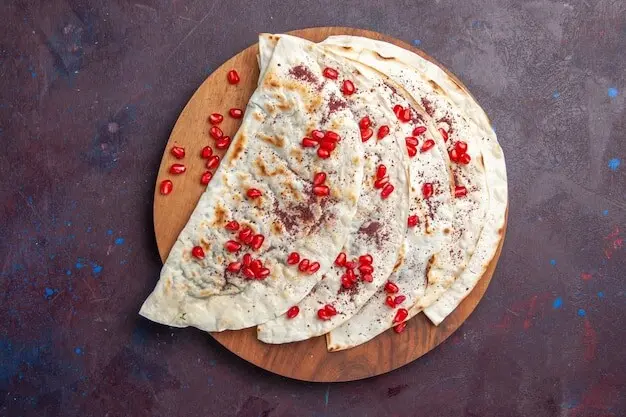
Skillet Alchemy: Fermented and Unleavened Breads, Techniques and Textures

Today we explore Fermented vs Unleavened Skillet Breads: Techniques and Textures, translating centuries of practice into clear, flavorful moves you can repeat at home. Learn how time, microbes, hydration, and heat create chew, tenderness, layers, and blisters, then experiment, taste with attention, and share your results so our kitchen community grows wiser, warmer, and more delicious together.

The Science of Lift and Quiet Flatness

Understanding why some rounds balloon dramatically while others stay modestly thin reveals everything about structure, moisture, and heat. Fermentation inflates and acidifies; resting relaxes gluten; steam creates fleeting pockets. By comparing living leaven to pure dough discipline, you’ll learn to forecast crumb openness, manage tenderness, and decide exactly which textures belong alongside soups, curries, salads, or quick snacks any night.

Fermentation’s invisible engine

Yeast and lactic acid bacteria feast on sugars, producing carbon dioxide and organic acids that tenderize and perfume the dough. Time unlocks extensibility, making stretching effortless and creating tiny alveoli that expand on hot iron. Gentle handling preserves gases, while proper proofing keeps strength and prevents collapse, delivering a softly springing round with nuanced tang and a lingering, almost buttery aroma.

Unleavened structure and steam

Without microbial lift, texture depends on gluten alignment, hydration, and precise heat. A short rest relaxes dough so it rolls thin without tearing. On a blazing skillet, internal moisture flashes to steam, giving brief puffs that settle into delicate layers. Docking or dimpling controls bubbles, keeping tortillas, roti, or matzo flat, supple, and perfectly suited for wrapping, scooping, or snapping crisply.

Acidity, enzymes, and browning

Fermented doughs slowly acidify, activating enzymes that trim gluten strands, deepen flavor, and promote Maillard browning for a chestnut-speckled surface. Unleavened doughs rely on controlled hydration, fine milling, and fat management for tenderness. Either path benefits from balanced salt, careful kneading, and high heat: these choices define chewiness, crisp edges, and that irresistible, lightly smoky perfume only cast iron grants.

Heat, Steam, and Surface: Commanding the Skillet

Skillet breads reward attention to thermal mass, radiant heat, and evaporation. Cast iron excels by holding steady temperatures, forging blisters and char that whisper of campfires. A lid traps steam for tenderness, while open cooking invites crisp edges. By managing preheat, timing, and rests between rounds, you’ll consistently deliver attractive spotting, gentle puff, and balanced moisture throughout the crumb.

Ingredients and Hydration: Designing Crumb and Bite

Flour choice, protein level, and water percentage dictate elasticity, softness, and char. Whole grains introduce nuttiness and thirst; refined flours stretch elegantly. Fats tenderize and insulate; yogurt adds subtle acidity even without fermentation. Salt strengthens gluten and brightens flavor, while sugars speed browning. With a notebook and scale, you’ll tune hydration precisely, choosing satin suppleness or crisp pliability on demand.

Flour choices and milling

High-protein bread flour supports gassy fermentation and springy chew, while all-purpose flour offers balance for quick, flexible shaping. Whole wheat or teff deepen flavor and color but require extra water and rest. Finely milled atta excels for roti’s soft foldability. Blend flours thoughtfully, adjusting knead time and hydration to keep dough extensible, smooth, and ready for heat’s transforming embrace.
Fats, yogurt, and milk

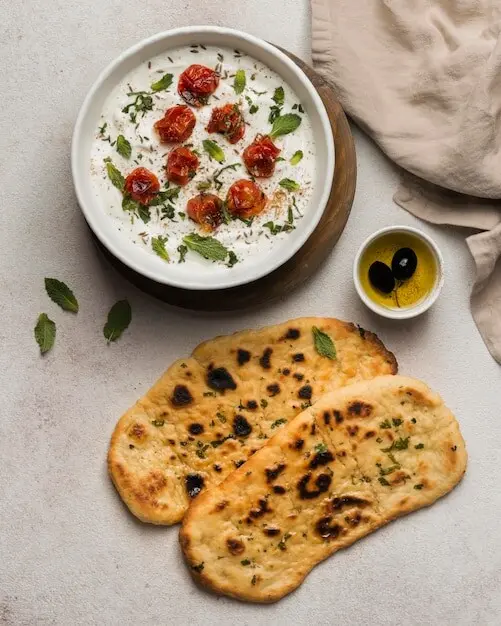
A spoon of oil, melted ghee, or cultured dairy gently shortens gluten, granting tenderness without sacrificing integrity. In fermented doughs, fats arrive after early mixing to protect fermentation; in unleavened rounds, they create softer bite and layered flake. Dairy sugars promote golden spotting, while brushed fat after cooking locks in moisture, perfumes the kitchen, and invites immediate, joyful tearing.
Salt, sweetness, and fragrant accents

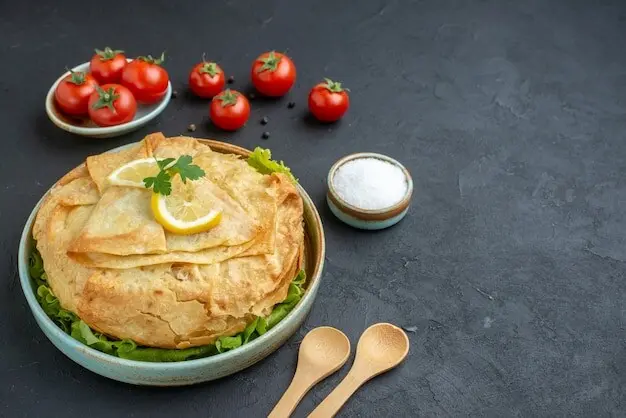
Salt enhances structure and flavor, so add it deliberately. A pinch of sugar boosts browning and rounds sour notes in fermented breads. Unleavened rounds sing with toasted spices, chopped herbs, or garlic-infused ghee. Consider citrus zest, sesame, or nigella for aroma. Keep add-ins modest to preserve rollability and ensure the skillet’s heat can craft those desirable freckles without scorching.
Shaping, Rolling, and Dimpling: Texture by Hand

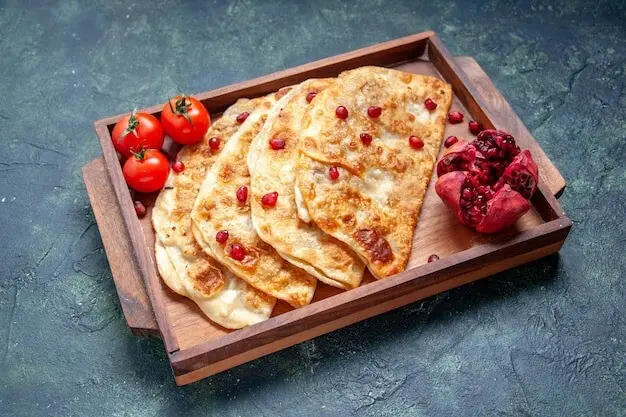
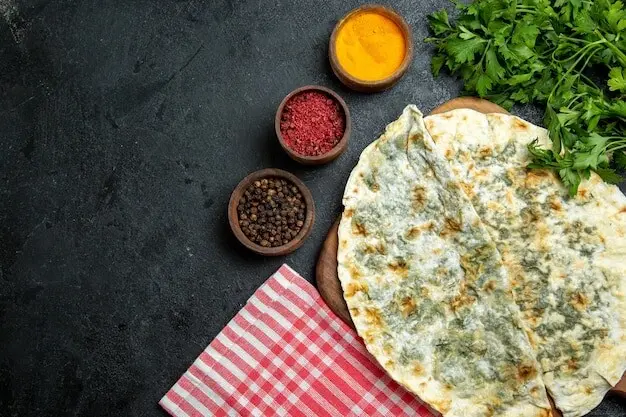
Hands decide destiny. Fermented dough prefers gentle persuasion that preserves gas; unleavened dough rewards decisive rolling that sets thickness precisely. Dimpling controls bubble size, docking prevents ballooning, and strategic brushing manages moisture and browning. With a light dusting of flour and a relaxed wrist, you’ll translate intention into texture, creating pliant wraps, flaky layers, or airy, blistered rounds predictably.

Global Rounds: Traditions on Hot Iron

Across kitchens and continents, skillets carry stories. Roti and tortillas deliver speed and symmetry; injera and lahoh bloom with tang from days-long ferments. Socca’s chickpea batter stays naturally unleavened yet aromatic and toasty. Each expresses place, grain, and cook’s touch. Borrow techniques respectfully, share your favorite pairings, and let your table celebrate how humble rounds become generous, culture-spanning companions.

Dense or gummy? Diagnose and fix

For fermented doughs, underproofing yields tight chew; extend bulk or warm the room slightly. Overproofing collapses structure; shorten final rest and strengthen with gentle folds. Gummy centers often signal low heat or excess hydration; preheat longer and roll thinner. Record changes, then retest tomorrow. Progress tastes better than perfection, especially when shared warm from the skillet with encouragement.

Dry, cracked, or tough? Restore suppleness

In unleavened rounds, insufficient rest or flour-heavy rolling causes brittleness. Cover dough, reduce bench flour, and brush cooked breads lightly with fat to recondition. If edges fracture, increase hydration a touch. Keep the pan hot but not scorching. Wrap finished stacks in a towel to trap steam. Tell us which tweak solved it, so others can rescue dinner gracefully.
Pexivirozavoveltodavozera
Privacy Overview

This website uses cookies so that we can provide you with the best user experience possible. Cookie information is stored in your browser and performs functions such as recognising you when you return to our website and helping our team to understand which sections of the website you find most interesting and useful.