
Fire, Water, and the Skillet's Secret Crumb
We’re exploring the science of heat and hydration in skillet bread making, revealing how pan temperature, trapped steam beneath a lid, and precise water percentages convert sticky dough into crackling crust and custardy crumb. Expect simple experiments, sensory cues, and chef-tested tips you can try tonight. Share your results, ask questions, and help fellow bakers compare notes so everyone learns faster and bakes braver.
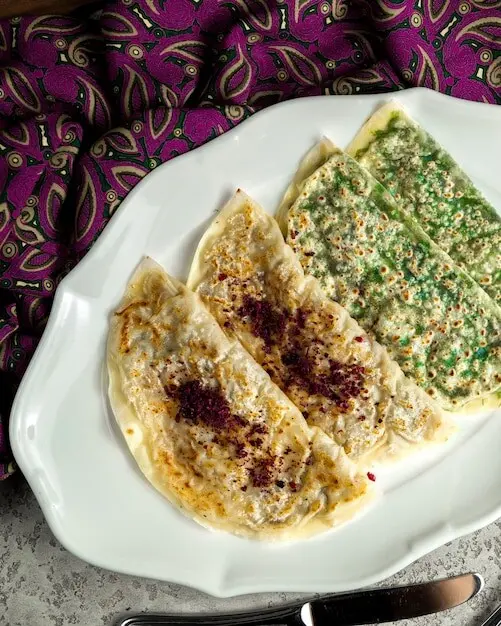
Mastering Heat Transfer on Cast Iron
Cast iron stores heat like a battery, delivering fierce conduction to the dough while radiating energy across the pan. Proper preheating, burner alignment, and lid management prevent scorching and encourage even rise. We’ll map temperatures, spot hot zones, and build repeatable routines that protect flavor, texture, and confidence.

Preheating with Purpose
Give the pan time to saturate: ten to fifteen minutes on medium heat usually beats blasting high. Aim for a stable surface temperature, not just numbers spiking briefly. Use an infrared thermometer, flour tests, and your ears to judge readiness without rushing and risking bitter smoke.
Taming Hot Spots and Edges
Ring-shaped burners leave cooler centers and scorching rims. Slide or rotate the skillet periodically, or add a diffuser to calm flames. Test patterns with sprinkled flour or coarse semolina, watching which grains darken first, then adjust heat and position before committing precious dough.
Lid Dynamics and Micro-Steam Oven
A heavy lid traps moisture driven from the dough, delaying crust set so gas expands freely. Remove it when expansion slows to encourage browning. Condensation cycles baste the surface, polishing bubbles into a thin, glassy crust that shatters delightfully under your knife.
Measuring Hydration Without Guesswork
Use a reliable scale and baker’s percentages to compare recipes fairly. Record flour brand and lot, since absorption shifts. Adjust with bassinet folds and wet hands rather than bench flour, keeping true hydration intact while refining feel, structure, and surface tension for confident shaping.
Autolyse, Enzymes, and Extensibility
Resting flour and water before salt lets enzymes awaken, producing sugars and softening protein bonds. Even twenty to forty minutes changes mixing effort and texture. Watch for spreading that signals readiness, then incorporate salt to stabilize gluten so strength returns without harsh kneading.
Salt, Fats, and Sugars
Salt tightens gluten and moderates fermentation, while fats lubricate strands and sugars accelerate browning. These shifts affect perceived hydration and stickiness. Add fats after initial gluten forms, and balance sweetness carefully to avoid scorching on contact surfaces where heat intensity peaks quickly.
Reading the Dough, Not the Clock
Schedules help, but dough decides. Track bulk rise by roughly fifty to seventy percent expansion, a sweeter aroma, and a gentler feel at the edges. Use a moistened finger for the poke test, seeking slow, partial spring that suggests perfect readiness.
Shaping for a Flat, Proud Profile
Skillet bakes favor low, wide loaves with strong tension that resists edge spread. Coil folds or a tight boule pre-shape help. Seal seams, dust lightly, and score decisively to direct expansion upward, preserving airy pockets and clean lines across the crust.
Steam, Gelatinization, and Crust Color
Moisture unlocks a glossy shell by gelatinizing surface starch before browning. In a lidded skillet, steam comes largely from the dough itself, so initial heat and hydration matter. Time your lid removal to switch from expansion to caramelization without drying the interior.
Protein Quality Beyond the Number
High percentages mean little without balanced gluten quality. Some strong flours turn rubbery under pan heat. Blend for flavor and elasticity, and consider falling number or malt additions to guide fermentation and browning, avoiding pale crusts or gummy interiors after cooling.
Whole Grains That Behave
Soak coarse bran separately to blunt its cutting edges, or pour boiling water over a small portion of flour for a scald. A tangzhong paste pre-gelatinizes starch, boosting softness, moisture retention, and shelf life while keeping shaping manageable in the skillet.
Tools, Logs, and Repeatable Results
Consistency thrives on measurements and notes. Calibrate your tools, track dough temperatures, and document timelines with photos and aromas. Small controls compound into big wins, turning nervous guesses into reliable choices that save ingredients, energy, and pride across weeknight bakes and ambitious weekend experiments.
All Rights Reserved.